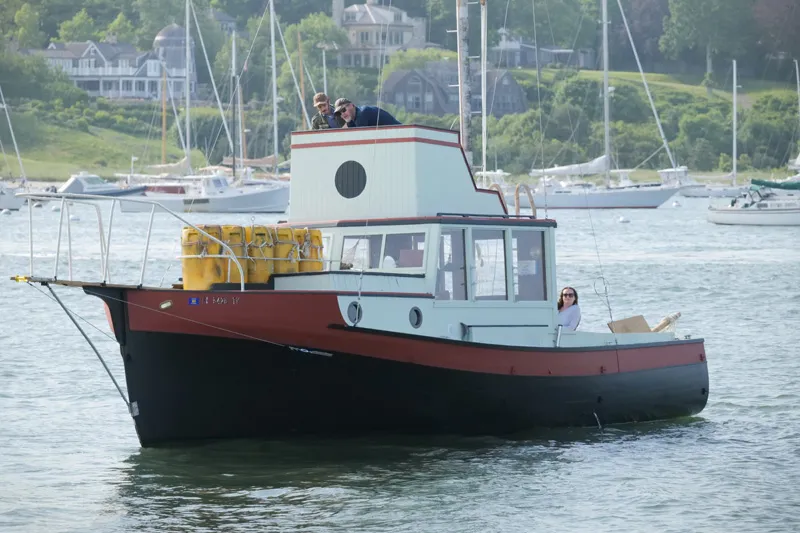
With thousands of miles of coastline, year-round warm weather, countless lakes and canals, and easy access to the Atlantic Ocean and Gulf, Florida is one of the best places in the country to own a boat.
But owning a boat in Florida also comes with risks. Hurricanes, tropical storms, theft, collisions, lightning, sinking, expensive marine repairs, and liability claims can turn a day on the water into a major financial loss. That's why understanding boat insurance in Florida is so important.
Florida generally does not require boat owners to purchase an insurance policy simply to own and register a recreational vessel. However, a lender or marina may require coverage, and going without insurance can leave you personally responsible for substantial losses. Whether you own a center console, fishing boat, pontoon, bowrider, flats boat, cabin cruiser, or another recreational vessel, understanding your insurance can help protect both your boat and your finances.
Is Boat Insurance Required in Florida?
For most recreational boat owners, Florida does not generally require boat insurance simply to register or operate a boat. That's different from Florida's automobile insurance system, which you can read about in our guide to Florida auto insurance requirements.
Motorized vessels operating on Florida public waterways are generally subject to state title and registration requirements, with certain exceptions, but vessel registration and insurance are separate issues. There are still several situations where you may be required to carry boat insurance.
Your Lender May Require It
If you financed your boat, your lender has a financial interest in the vessel. The loan agreement may require you to maintain physical damage insurance until the loan is paid off. The lender may also have requirements regarding:
- Coverage limits
- Deductibles
- Types of coverage
- How the lender is listed on the policy
Allowing required coverage to lapse could violate your financing agreement.
Your Marina May Require Boat Insurance
Even when Florida law doesn't require a policy, your marina might. Some marinas require boat owners to maintain liability insurance before renting:
- Wet slips
- Dry storage
- Dock space
The marina may also require a minimum liability limit and proof of insurance. Always check your marina agreement rather than assuming insurance is optional.
Why Carry Boat Insurance If Florida Doesn't Require It?
The better question may be: could you comfortably pay for a major boating accident yourself?
Imagine your boat collides with another vessel. You could potentially be responsible for:
- Damage to the other boat
- Injuries to passengers
- Damage to docks
- Legal expenses
- Salvage expenses
- Environmental cleanup
- Damage to your own boat
Or imagine your $60,000 center console is stolen. Without applicable physical damage insurance, you could be responsible for the entire loss yourself. The legal minimum and the financially responsible decision aren't always the same thing.
What Does Boat Insurance Cover in Florida?
Boat insurance policies can contain several types of coverage, and exactly what's covered depends on the policy and insurance carrier. Here are the most important protections to consider.
1. Boat Liability Insurance
Liability coverage is one of the most important parts of a boat insurance policy. It may help protect you when you're legally responsible for covered injuries or property damage resulting from operation or ownership of your boat.
For example, imagine you're docking your boat and accidentally strike another vessel, or you collide with another boat while underway. Depending on the circumstances and policy, liability coverage may help address:
- Damage to another person's boat
- Damage to docks or other property
- Bodily injuries
- Legal defense expenses
- Settlements
- Judgments
These are addressed up to your policy limits. Florida's Department of Financial Services notes that liability coverage generally responds when the insured is legally liable for damage.
2. Physical Damage Coverage
Liability insurance protects you against certain claims from other people. It doesn't necessarily repair your own boat. Physical damage coverage may protect the insured vessel against covered losses involving:
- Collisions
- Storm damage
- Fire
- Theft
- Vandalism
- Other covered events
Physical damage protection becomes especially important as the value of the boat increases.
3. Collision Coverage
Boat collision coverage may help repair or replace your vessel after a covered collision. Examples could include hitting:
- Another boat
- A dock
- A submerged object
- Certain structures
This is subject to your deductible and policy terms. Marine repairs can become expensive quickly, especially when a loss involves fiberglass, electronics, propulsion equipment, or structural damage.
4. Comprehensive Boat Insurance
Comprehensive coverage generally addresses certain losses that aren't caused by a traditional collision. Depending on the policy, these may include:
- Theft
- Vandalism
- Fire
- Falling objects
- Certain weather damage
Florida boat owners should pay particular attention to storm provisions because policies can differ significantly in how they handle named storms and hurricanes.
Does Boat Insurance Cover Hurricanes in Florida?
This is one of the most important questions a Florida boat owner should ask. Depending on the policy, physical damage insurance may cover certain hurricane and storm-related losses. But never assume you're automatically protected.
Boat insurance policies may contain specific:
- Named-storm deductibles
- Hurricane deductibles
- Navigation restrictions
- Storm-plan requirements
- Haul-out requirements
- Geographic restrictions
- Exclusions
The Florida Department of Financial Services specifically notes that if a boat sinks during a hurricane and the owner carries only liability coverage, the insurance company will not replace the boat — physical damage coverage is necessary for that type of claim.
Hurricane Plans and Boat Insurance
Some marine insurers may require boat owners to have a hurricane preparation plan. Depending on the vessel and policy, that could involve:
- Hauling the boat out of the water
- Moving it to an approved storage facility
- Securing the vessel at an approved marina
- Removing sails or canvas
- Adding dock lines
- Relocating the boat from a high-risk area
Requirements vary by insurer, and failure to comply with policy requirements could potentially affect coverage. Don't wait until a hurricane warning is issued to read your policy for the first time.
Boat Insurance and Flooding
Boats and water obviously go together — but that doesn't mean every water-related loss is automatically covered. Marine policies contain their own terms, conditions, and exclusions.
If storm surge, flooding, or rising water damages your vessel, coverage will depend on your specific boat policy. This is different from homeowners insurance, where rising-water flooding generally requires separate Florida flood insurance.
5. Theft and Vandalism Coverage
Boat theft is another risk Florida owners should consider. Depending on the policy, comprehensive or physical damage coverage may protect against covered theft of the vessel, and policies may also provide some protection for permanently attached equipment.
If you own expensive marine electronics, fishing equipment, or other accessories, determine exactly what your policy covers. Don't assume everything aboard the boat is insured automatically.
6. Boat Equipment and Accessories
Modern boats can carry thousands — or tens of thousands — of dollars in additional equipment. Examples include:
- GPS units
- Chartplotters
- Fish finders
- Radar
- VHF radios
- Stereo equipment
- Trolling motors
- Power poles
- Anchoring systems
- Outriggers
- Fishing equipment
Ask how your insurance policy handles permanently installed equipment versus personal property brought onto the boat. Coverage limits and exclusions can differ.
7. Uninsured and Underinsured Boater Coverage
What happens if another boater causes an accident and doesn't have enough insurance? Because Florida generally doesn't require recreational boat owners to maintain liability insurance simply to operate a vessel, encountering an uninsured boater is a risk worth considering.
Uninsured or underinsured boater coverage may provide protection for certain covered injuries when an at-fault boat operator has insufficient insurance. Availability and terms vary by insurer, so ask your insurance professional what options are available.
8. Medical Payments Coverage
Boat insurance may also offer medical payments coverage. Depending on the policy, this can help pay certain medical expenses for you or passengers following a covered boating accident. Because injuries on the water can be serious, review this coverage rather than automatically selecting the smallest amount available.
9. Wreck Removal and Salvage Coverage
This is an area where marine insurance differs from many other personal insurance policies. Imagine your boat sinks in a navigable channel — removing the wreck can become extremely expensive, and depending on the circumstances, you may be legally responsible for removing the vessel.
Boat policies may include coverage for:
- Salvage
- Wreck removal
- Certain recovery expenses
Review how these costs are handled and whether they're included within or in addition to your policy limits.
10. Fuel Spill and Pollution Liability
A damaged or sunken boat can release gasoline, diesel fuel, oil, or other contaminants into the water, and cleanup costs can be substantial. Some boat insurance policies provide coverage for qualifying fuel-spill or pollution-related liability. Florida boaters who operate vessels with large fuel capacities should pay particular attention to this protection.
11. Towing and Emergency Assistance
Anyone who has spent enough time boating knows that mechanical problems eventually happen. Maybe the engine won't start, the battery dies, you run out of fuel, the boat becomes disabled offshore, or you need emergency towing.
Marine towing can be expensive. Some boat policies offer towing and emergency assistance coverage, either included or as an optional endorsement. For Florida boaters who frequently travel offshore, this can be valuable.
Actual Cash Value vs. Agreed Value Boat Insurance
This is one of the most important distinctions when comparing boat insurance policies.
Actual Cash Value
An actual cash value policy generally considers depreciation when determining the value of the boat after a covered total loss. As the vessel ages, its insured value may decrease.
Agreed Value
With agreed-value coverage, you and the insurance company agree on an insured value for the vessel when the policy is written, subject to the policy's terms. If a covered total loss occurs, the settlement methodology may differ substantially from an actual-cash-value policy.
Don't compare two boat insurance quotes solely by premium if one uses agreed value and the other uses actual cash value. The cheaper policy may provide very different protection.
How Do Boat Insurance Deductibles Work?
A deductible is the amount you're responsible for when a covered physical damage claim occurs. Boat insurance deductibles may be structured as fixed dollar amounts or percentages of insured value, and there may also be a separate deductible for named storms or hurricanes.
For example, if your boat is insured for $100,000 and the policy has a 5% applicable named-storm deductible, that could represent $5,000 of financial responsibility before insurance responds to a covered loss. Always ask what deductible applies during a hurricane — our guide to how insurance deductibles work explains the mechanics in more detail.
Does Homeowners Insurance Cover Your Boat?
Homeowners insurance may provide limited coverage for certain small boats or watercraft-related losses, depending on the policy. But homeowners insurance shouldn't automatically be treated as a substitute for a dedicated boat policy. Coverage may be limited by:
- Boat size
- Horsepower
- Value
- Type of loss
- Liability exposure
If you own a significant recreational boat, discuss dedicated watercraft insurance with an insurance professional.
Does Boat Insurance Cover the Trailer?
Boat trailers can create another coverage question. Depending on the policy, trailer coverage may be included, limited, or offered separately. Remember that a trailer can suffer losses involving:
- Collision
- Theft
- Storm damage
- Vandalism
There can also be different insurance considerations while the trailer is attached to a tow vehicle. Ask both your auto insurance and boat insurance providers how coverage works so you don't discover a gap after an accident.
What About Personal Belongings on the Boat?
Boaters often bring valuable personal property aboard. Examples include:
- Fishing rods
- Coolers
- Cameras
- Phones
- Diving equipment
- Watersports equipment
- Clothing
Your boat policy may provide some personal property coverage, but limits and exclusions can apply. Expensive fishing or diving equipment may require additional consideration.
Boat Insurance for Miami and South Florida
Boat owners in Miami-Dade, Broward, Palm Beach, Monroe County, and the Florida Keys face some particularly important risks. South Florida combines:
- Major hurricane exposure
- Saltwater corrosion
- High boat values
- Heavy boating traffic
- Theft exposure
- Expensive marina facilities
- Offshore boating
- Year-round use
A 20-foot fishing boat kept on a trailer in inland Florida presents a very different insurance risk from a 35-foot center console stored at a Miami marina. That's why personalized coverage matters.
Saltwater vs. Freshwater Boat Insurance
Where you use your boat can affect risk. Saltwater environments are particularly hard on:
- Engines
- Wiring
- Electronics
- Metal components
- Steering systems
- Trailers
Normal corrosion and wear generally aren't what boat insurance is designed to cover. Insurance is intended primarily for sudden, accidental covered losses — not routine maintenance, which remains the boat owner's responsibility.
Does Boat Insurance Cover Mechanical Breakdown?
Standard physical damage insurance generally shouldn't be assumed to cover ordinary mechanical failure, deterioration, or wear and tear. Some insurers may offer additional mechanical breakdown-related coverage or endorsements for qualifying boats. But if an engine fails simply because it's worn out, that's very different from an engine damaged as part of a covered accident. Read your policy carefully.
How Much Does Boat Insurance Cost in Florida?
There is no single average premium that's useful for every Florida boat owner. Insurance companies consider many factors, including:
- Boat value
- Boat age
- Vessel length
- Horsepower
- Engine type
- Number of engines
- Where the boat is stored
- Navigation territory
- Coastal exposure
- Owner's boating experience
- Claims history
- Coverage limits
- Deductibles
- Hurricane exposure
- Safety equipment
- Type of vessel
A $15,000 skiff and a $300,000 offshore center console obviously present very different risks. That's why personalized quotes are more meaningful than a generic statewide average.
How Can You Lower Boat Insurance Costs in Florida?
Compare Multiple Insurance Companies
Marine insurance underwriting varies significantly between carriers. An insurer that's competitive for one type of boat may not be the best choice for another.
Take an Approved Boating Safety Course
Some insurance companies may offer discounts to boat owners who complete qualifying boating safety courses. Even when a discount isn't available, better boating education can help reduce accident risk.
Maintain a Clean Boating and Driving History
Insurance companies may consider previous claims, accidents, and other risk factors when determining eligibility and premiums.
Install Safety and Security Equipment
Depending on the carrier, qualifying GPS tracking, alarm systems, fire suppression systems, and safety equipment may improve the boat's risk profile.
Choose Deductibles Carefully
Increasing your deductible may lower the premium — but remember Florida's hurricane exposure. Saving money on your annual premium isn't worth much if your storm deductible is so high that you couldn't afford to repair the boat.
Review Your Navigation Territory
Marine insurance policies can restrict where the vessel may operate. Don't pay for an unnecessarily broad navigation area — but don't choose one that's too restrictive for how you actually use the boat either. For more savings ideas across your policies, see our list of ways Florida drivers can lower insurance costs.
Can You Take a Florida-Insured Boat to the Bahamas?
Potentially, but never assume your standard policy automatically provides the coverage you need. South Florida boaters commonly travel from Miami, Fort Lauderdale, Palm Beach, or the Keys to the Bahamas. Before making an international trip, verify:
- Navigation territory
- Geographic limits
- Liability coverage
- Physical damage coverage
- Towing provisions
- Any required endorsements
Your policy's navigation territory matters — confirm it in writing before you leave U.S. waters.
Should Florida Boat Owners Consider Umbrella Insurance?
Potentially. A serious boating accident can create substantial liability. If your boat liability policy qualifies as underlying coverage, a personal umbrella policy may provide additional liability limits above it. This can be particularly important for boat owners with homes, savings, investments, businesses, rental properties, or significant income.
Not every umbrella policy handles watercraft identically, so make sure your boat is disclosed to the umbrella insurer. Learn more in our guide to Florida umbrella insurance, or review our umbrella insurance page.
Common Florida Boat Insurance Mistakes
- Assuming insurance isn't necessary because Florida doesn't generally mandate it
- Buying coverage based only on price
- Carrying inadequate liability limits
- Not understanding hurricane or named-storm deductibles
- Assuming every hurricane loss is covered
- Failing to follow storm-plan requirements
- Underinsuring expensive marine electronics
- Not understanding agreed value versus actual cash value
- Assuming homeowners insurance fully covers the boat
- Forgetting about trailer coverage
- Ignoring uninsured boater protection
- Not checking navigation limits before traveling to the Bahamas
- Failing to update your policy after major upgrades
- Assuming mechanical wear is insured
- Waiting until a hurricane is approaching to review coverage
For a broader look, see our roundup of insurance mistakes Florida residents make.
Review Your Boat Insurance Before Hurricane Season
Florida's hurricane season isn't the time to discover that you don't understand your marine policy. Before storm season becomes active:
- Review your physical damage coverage
- Confirm the insured value
- Understand your hurricane deductible
- Review your hurricane plan
- Check marina requirements
- Photograph your boat and equipment
- Maintain records of major upgrades
- Verify your insurer has current contact information
If your insurer requires the boat to be moved, hauled out, or secured in a particular manner before a named storm, understand those requirements ahead of time. Florida's Department of Financial Services encourages residents to review insurance policies and prepare financially before hurricanes and other disasters occur. It also helps to know what happens after an insurance claim in Florida before you ever need to file one.
Why Work With an Independent Florida Insurance Agent?
Boat insurance can become complicated quickly, and the right coverage depends on much more than the boat's purchase price. An independent insurance agent can help you evaluate:
- Boat value
- Liability limits
- Physical damage coverage
- Hurricane deductibles
- Navigation territory
- Trailer coverage
- Marine equipment
- Towing
- Uninsured boater coverage
- Umbrella insurance
Because independent agents may represent multiple insurance companies, they can compare available carrier options rather than offering only one company's policy. See our comparison of using an independent insurance agent versus buying direct.
Frequently Asked Questions About Boat Insurance in Florida
Is boat insurance required in Florida?
Florida generally doesn't require recreational boat owners to carry an insurance policy simply to register a vessel. However, lenders and marinas may impose their own insurance requirements.
Does Florida require boats to be registered?
Motorized vessels operating on Florida's public waterways generally must meet applicable title and registration requirements, subject to statutory exemptions.
Does boat insurance cover hurricane damage?
A boat policy with applicable physical damage coverage may cover certain hurricane-related losses, subject to policy terms, exclusions, deductibles, navigation limits, and storm-plan requirements. Liability-only insurance will not replace a boat that sinks during a hurricane.
Does boat insurance cover a boat that sinks?
It may, depending on the cause of the sinking and the policy's physical damage coverage, exclusions, and terms.
Does boat insurance cover theft?
Applicable comprehensive or physical damage coverage may protect against a covered theft loss, subject to policy terms and deductibles.
Does boat insurance cover the motor?
A boat policy may insure the vessel and its insured propulsion equipment against covered losses. Ordinary wear, deterioration, and mechanical failure shouldn't automatically be assumed to be covered.
Does boat insurance cover a trailer?
Some policies provide trailer coverage, while others may require additional coverage. Review both your boat and auto insurance policies.
Does my homeowners policy cover my boat?
Homeowners policies may provide limited coverage for certain watercraft, but the limits may be inadequate for larger, faster, or more valuable boats. A dedicated boat insurance policy may provide much broader protection.
Can I insure an older boat in Florida?
Yes, although available coverage, inspections, surveys, valuation methods, and underwriting requirements can vary based on the boat's age, value, condition, and insurer.
Can I take my insured boat from Florida to the Bahamas?
Possibly. Check the navigation territory stated in your policy before leaving U.S. waters. You may need additional coverage or an endorsement.
Protect Your Boat On and Off the Water
Owning a boat is one of the best ways to enjoy Florida. But boats also represent a significant financial investment and can create substantial liability exposure. Florida may not generally require recreational boat owners to carry insurance simply to register their vessel, but that doesn't mean going without coverage is financially wise.
The right Florida boat insurance policy can help protect against risks involving accidents, liability, theft, fire, hurricane damage, other covered physical damage, uninsured boaters, salvage and wreck removal, and marine equipment. The key is understanding exactly what you're buying.
At Tammy Insurance, we help Florida boat owners compare available insurance options, understand deductibles and coverage limits, and find policies designed around the way they actually use their boats. Whether you own a small fishing boat, center console, pontoon, bowrider, cruiser, or another recreational vessel, we're here to help.
Looking for boat insurance in Florida? Contact Tammy Insurance today or request a quote for a personalized boat insurance review.