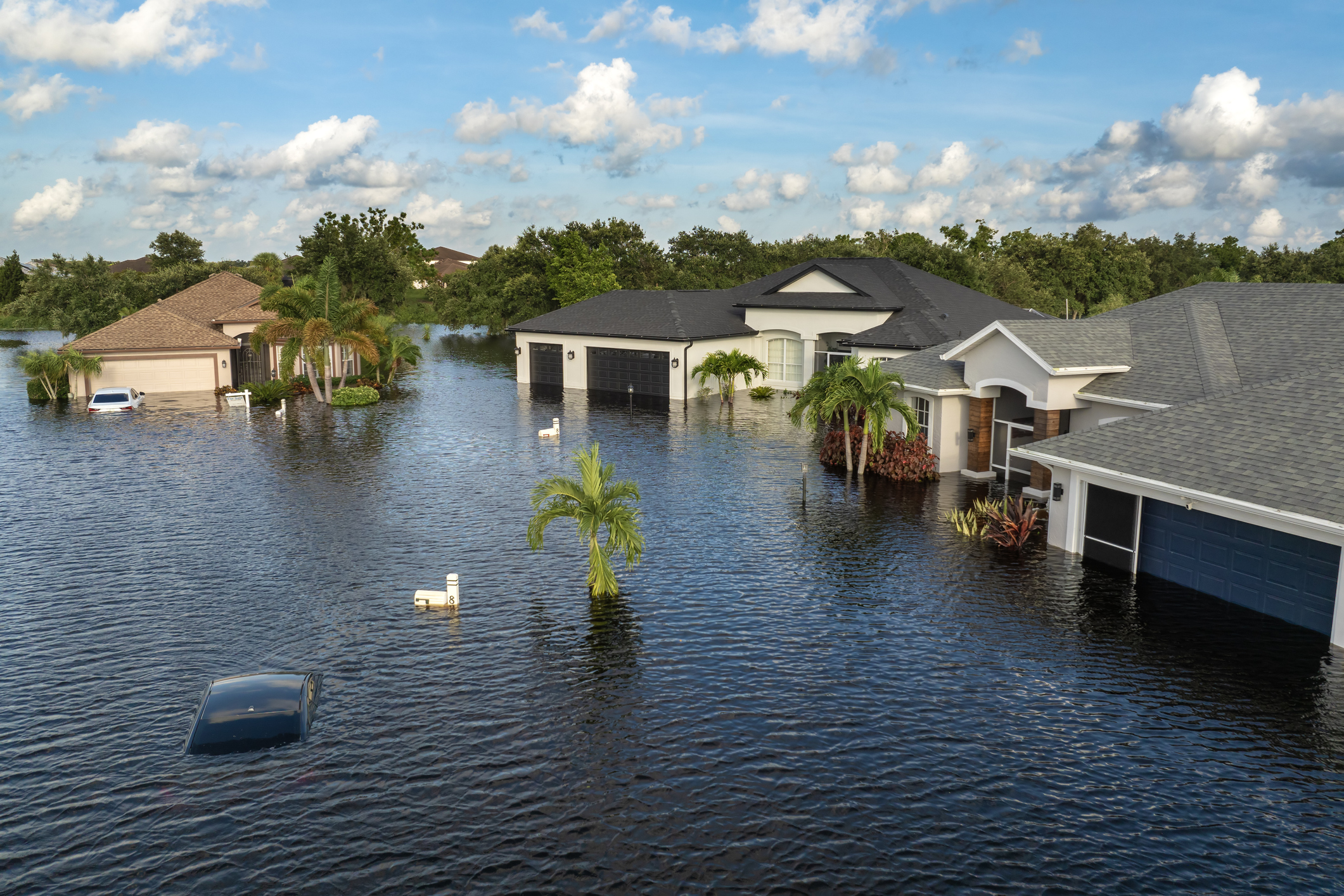
Florida is one of the most flood-prone states in the country. From hurricanes and tropical storms to heavy afternoon rain and overflowing canals, flooding can happen almost anywhere—not just along the coast.
Unfortunately, many Florida property owners mistakenly assume their homeowners insurance covers flood damage. In reality, standard homeowners insurance policies do not cover flooding caused by rising water.
Whether you own a home, rent an apartment, or operate a business, understanding how Florida flood insurance works can help protect your finances and your property from one of the state's most common natural disasters.
In This Guide
- What flood insurance covers
- What it doesn't cover
- Whether you actually need it
- How much flood insurance costs in Florida
- Who should purchase a policy
- Tips for lowering your flood risk
- Frequently asked questions
Why Flood Insurance Matters in Florida
Florida experiences thousands of flood insurance claims every year.
Flooding isn't limited to hurricanes. Many claims occur because of:
- Tropical storms
- Heavy rainfall
- Storm surge
- Overflowing lakes
- Rising rivers
- Poor drainage systems
- Neighborhood street flooding
Even homes that have never flooded before can experience damage during unusually heavy storms.
According to the Federal Emergency Management Agency (FEMA), a significant percentage of flood insurance claims come from properties located outside designated high-risk flood zones. That means being outside a Special Flood Hazard Area doesn't eliminate your flood risk—it simply means the statistical risk is lower.
Does Homeowners Insurance Cover Flood Damage?
One of the biggest misconceptions among Florida homeowners is that their homeowners insurance covers floods.
It doesn't.
A standard homeowners insurance policy typically covers water damage from situations like:
- Burst pipes
- Certain plumbing leaks
- Wind-driven rain (depending on the cause and policy)
- Some accidental water discharge
However, homeowners insurance generally does not cover damage caused by rising water entering your home from outside, including:
- Storm surge
- Overflowing canals
- Rising lakes
- Flash floods
- Heavy rain pooling around the home
- Overflowing rivers
For these events, a separate flood insurance policy is generally required.
What Is Considered a Flood?
Insurance companies generally define a flood as:
A temporary condition where normally dry land becomes partially or completely submerged by water affecting two or more acres of land or two or more properties.
Examples include:
- Hurricane storm surge
- Streets filling with water
- Neighborhood drainage failure
- Overflowing retention ponds
- Rising groundwater after prolonged rain
- River overflow
Understanding this definition is important because the source of the water often determines whether your homeowners insurance or flood insurance responds.
What Does Florida Flood Insurance Cover?
Flood insurance generally includes two primary types of protection.
Building Coverage
Building coverage may help pay for repairs to:
If floodwaters damage the structure of your home or commercial building, building coverage helps restore it.
Contents Coverage
Contents coverage protects many personal belongings inside the insured building, including:
- Furniture
- Clothing
- Electronics
- Appliances
- Rugs
- Curtains
- Portable air conditioners
- Personal belongings
Contents coverage is often purchased separately depending on the type of policy.
What Flood Insurance Typically Doesn't Cover
Depending on the policy, common exclusions may include:
- Swimming pools
- Landscaping
- Decks and patios
- Fences
- Outdoor furniture
- Cash
- Precious metals
- Certain valuable collections
- Vehicles
- Temporary housing expenses (unless specifically included by the policy)
Reviewing your policy carefully helps you understand exactly what is and isn't covered.
Who Needs Flood Insurance?
Many people assume only beachfront homeowners need flood insurance. In reality, flood insurance may be beneficial for:
Homeowners
Protects your home's structure and your personal property from flood damage.
Condo Owners
Condo associations often insure the building itself, but unit owners may still need individual flood coverage for their unit and belongings.
Renters
A landlord's insurance generally doesn't cover a tenant's personal belongings. Renters insurance with flood protection can help protect clothing, furniture, electronics, and personal items.
Business Owners
Commercial flood insurance can help protect buildings, equipment, inventory, furniture, and office contents. Pair it with commercial property insurance for broader protection. Businesses located near rivers, canals, or low-lying areas may have significant exposure to flooding.
Is Flood Insurance Required in Florida?
It depends.
Flood insurance is often required if:
- Your mortgage is backed by a federally regulated lender
- Your property is located within a designated high-risk flood zone
- Your lender requires flood coverage as a condition of financing
Even if it isn't required, many Florida homeowners voluntarily purchase flood insurance because flood damage can be extremely expensive.
Flood Zones Explained
Properties are generally assigned flood zones based on FEMA flood maps. These zones help estimate the statistical likelihood of flooding.
High-Risk Flood Zones
Properties with the greatest likelihood of flooding. Mortgage lenders often require flood insurance in these areas.
Moderate-Risk Areas
Lower statistical risk than high-risk zones, but flooding can still occur.
Low-Risk Areas
Lowest estimated flood probability. However, "low risk" doesn't mean "no risk." Heavy rainfall and changing weather patterns can still produce damaging floods.
How Much Does Flood Insurance Cost in Florida?
The cost of flood insurance varies based on many factors. Insurance companies may consider:
Homes in higher-risk flood zones generally pay higher premiums than properties located in lower-risk areas.
The best way to determine your cost is to request a personalized flood insurance quote.
How to Lower Flood Insurance Costs
Although some factors can't be changed, you may be able to reduce premiums by:
- Choosing a higher deductible
- Elevating utilities when appropriate
- Improving drainage around the property
- Maintaining proper grading
- Installing flood vents where applicable
- Updating flood mitigation features
- Shopping multiple insurance carriers through an independent insurance agency
Not every strategy applies to every property, but exploring your options can make a meaningful difference over time.
Florida Hurricanes and Flood Damage
Many people associate hurricane insurance with flood protection. They're actually different.
A hurricane can cause wind damage, roof damage, broken windows, falling trees, and flooding.
Your homeowners insurance may cover certain wind-related damage, while flood damage from rising water generally requires flood insurance. Understanding this distinction before hurricane season can help prevent costly surprises after a storm.
Flood Insurance for Coastal Properties
Florida's coastal communities face additional flood exposure from storm surge, high tides, coastal erosion, and hurricane landfall.
Owners of waterfront homes often benefit from reviewing their flood insurance coverage regularly to ensure it still reflects current rebuilding costs and lender requirements.
Inland Flooding Is More Common Than Many People Think
You don't have to live near the beach to experience flooding. Many Florida flood claims occur miles inland. Common causes include:
- Canals overflowing
- Intense thunderstorms
- Neighborhood drainage systems becoming overwhelmed
- Rapid rainfall
- Overflowing retention ponds
Even areas with no previous flooding history may experience flooding during unusually severe weather.
Why Work with an Independent Insurance Agency?
Flood insurance isn't one-size-fits-all. An independent insurance agency can help you:
- Compare available flood insurance options
- Review coverage limits
- Explain deductibles
- Identify potential coverage gaps
- Coordinate flood insurance with your homeowners or business insurance policies
- Answer questions about Florida-specific insurance needs
Instead of being limited to a single insurance company, an independent agent can often compare multiple options to help you find coverage that fits your situation.
Frequently Asked Questions
Is flood insurance worth it in Florida?
For many property owners, yes. Florida experiences frequent heavy rainfall, tropical storms, hurricanes, and localized flooding. Repairing flood damage can be expensive, making flood insurance an important consideration even outside high-risk flood zones.
Can I buy flood insurance if I'm not in a flood zone?
Yes. Many insurers offer flood insurance for properties located in lower-risk areas, and premiums may be more affordable than many homeowners expect.
Does flood insurance cover hurricanes?
Flood insurance generally covers flood damage caused by hurricanes, such as storm surge or rising water. Wind damage is typically addressed under a homeowners or commercial property policy, subject to its terms and exclusions.
Does flood insurance cover mold?
Coverage depends on the policy and the circumstances of the loss. Prompt cleanup after flooding is important, and policy terms will determine what is covered.
Can renters buy flood insurance?
Yes. Renters can often purchase contents-only flood insurance to protect personal belongings from covered flood damage.
Protect Your Home, Business, and Peace of Mind
Flooding is one of Florida's most common and costly natural hazards. Whether you own a home, rent an apartment, or operate a business, understanding your flood risk is an important part of protecting your financial future.
Because every property is different, the right flood insurance policy depends on factors like your location, building characteristics, lender requirements, and the value of what you're protecting.
At Tammy Insurance, we help Florida homeowners, renters, and business owners compare flood insurance options and understand their coverage choices. If you're unsure whether your current policy provides the protection you need, we're here to help you review your options and find coverage that fits your situation. Have questions? Contact us anytime.